
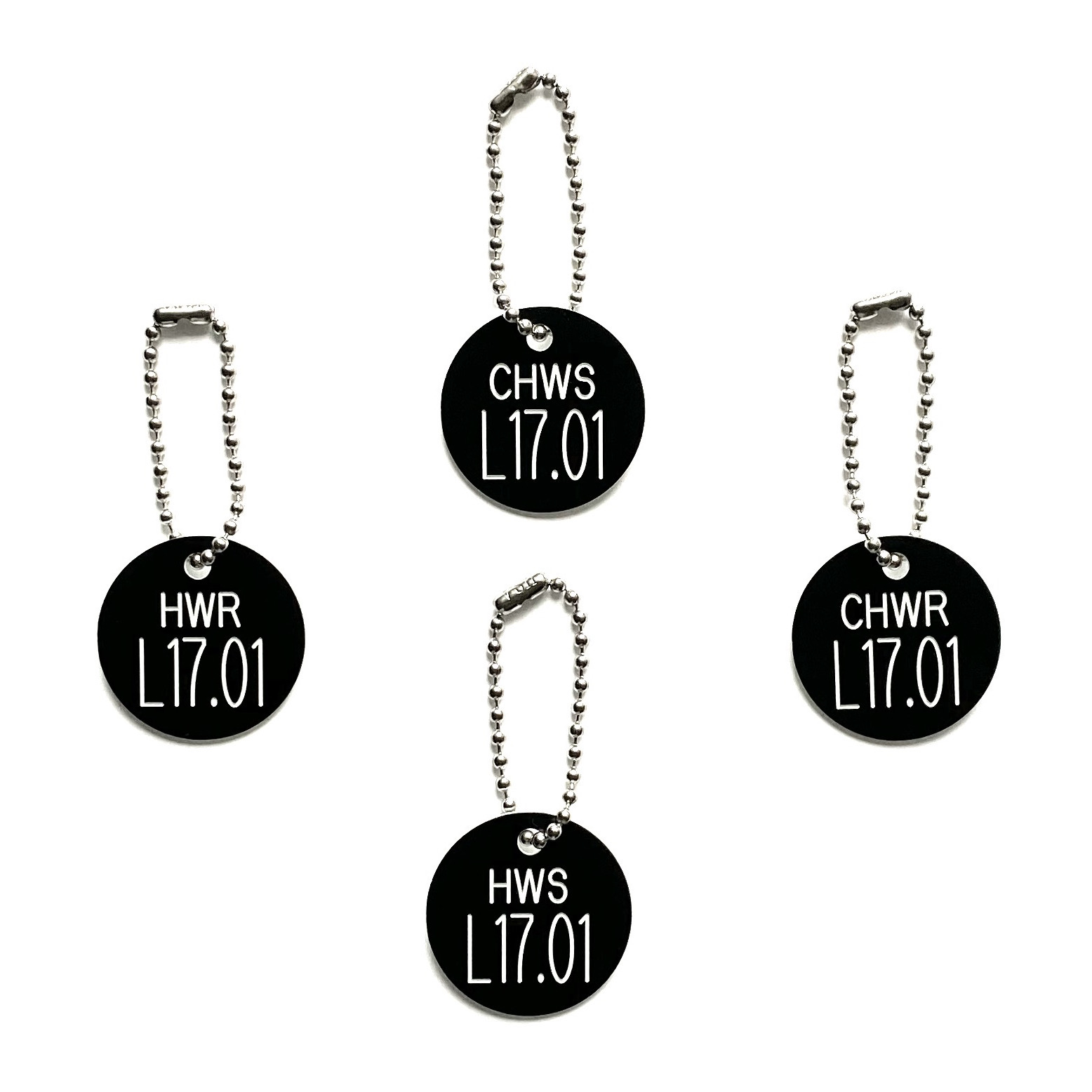
Valve Tags and Mechanical Equipment IDs: Best Practices for HVAC Contractors
Valve tags and mechanical equipment labels don’t usually fail inspection because they’re missing — they fail because they’re unclear, inconsistent, or don’t match how the system is actually installed.
For HVAC contractors, valve identification isn’t about aesthetics — it’s about safety, serviceability, and making sure the next person on the job doesn’t have to guess. Inspectors, maintenance teams, and facility staff all rely on clear mechanical labeling long after the install is complete.
This Field Notes breakdown covers what inspectors actually look for, where mechanical labeling goes wrong, and how to avoid issues that slow inspections or complicate service later. Clear valve tagging and equipment identification help service teams understand systems quickly and avoid unnecessary confusion during maintenance.
What inspectors actually care about
Inspectors aren’t memorizing valve numbers — they’re checking whether the system makes sense.
They want to see that:
- Valves are clearly identified
- Tags remain attached and legible
- Identification helps someone understand the system without tracing lines
If a valve’s purpose isn’t obvious, inspectors may question whether the system can be safely operated and serviced.
Where valve tagging jobs fail
Most mechanical labeling issues come from inconsistency, not intent.
Common problems include:
- Missing tags on key valves
- Tags that are hard to read or show early wear
- Numbers that don’t match drawings or documentation
- Inconsistent naming across similar systems
Even when tags are present, unclear or mismatched identification can trigger questions during inspection.
Valve numbering and system clarity
Valve tags work best when they’re part of a clear system.
What inspectors actually care about
- Valve numbers or names are consistent
- Identification aligns with drawings or schedules
- No duplicate or conflicting IDs
Inspectors don’t need to understand the entire system — but they do expect the labels to make sense.
Where jobs fail
- Reusing numbers across different systems
- Adding valves in the field without updating tags
- Mixing descriptive names and numeric IDs without a pattern
What works
- One numbering or naming convention per system
- Tags reviewed against final drawings
- Catching inconsistencies before inspection
Jobsite takeaway
If the tags don’t match the drawings, someone’s going to start asking questions.
Tag durability and attachment
Valve tags get handled. A lot.
What inspectors actually care about
- Tags stay attached during normal operation
- Information remains legible
- Identification doesn’t look temporary
Loose or damaged tags signal incomplete work — even if the system itself is fine.
Where jobs fail
- Tags tied loosely or left dangling
- Tags that wear out quickly in mechanical rooms
- Attachment methods that don’t hold up to routine handling
What works
- Secure attachment appropriate for the environment
- Tags designed to withstand routine service
- Treating tag durability as part of system safety
Jobsite takeaway
If a tag won’t survive service, it won’t survive inspection.
Mechanical equipment identification beyond valves
Valve tags are only part of the picture.
Inspectors also look for clear identification on:
- Pumps
- Air handlers
- Boilers
- Mechanical units and components
What inspectors actually care about
- Equipment IDs match drawings and schedules
- Labels are easy to find and read
- Identification supports safe operation and maintenance
Where jobs fail
- Equipment labeled differently than shown on plans
- Missing IDs on secondary components
- Labels placed where they’re difficult to see
Jobsite takeaway
Clear equipment identification makes inspections faster and service safer.
Final Jobsite Takeaway
Valve tags and mechanical labels aren’t just documentation — they’re communication tools.
When identification is clear, consistent, and durable, inspections move smoothly and future service becomes easier instead of frustrating. Taking a little extra care with mechanical labeling upfront can prevent confusion, rework, and safety issues down the line.