
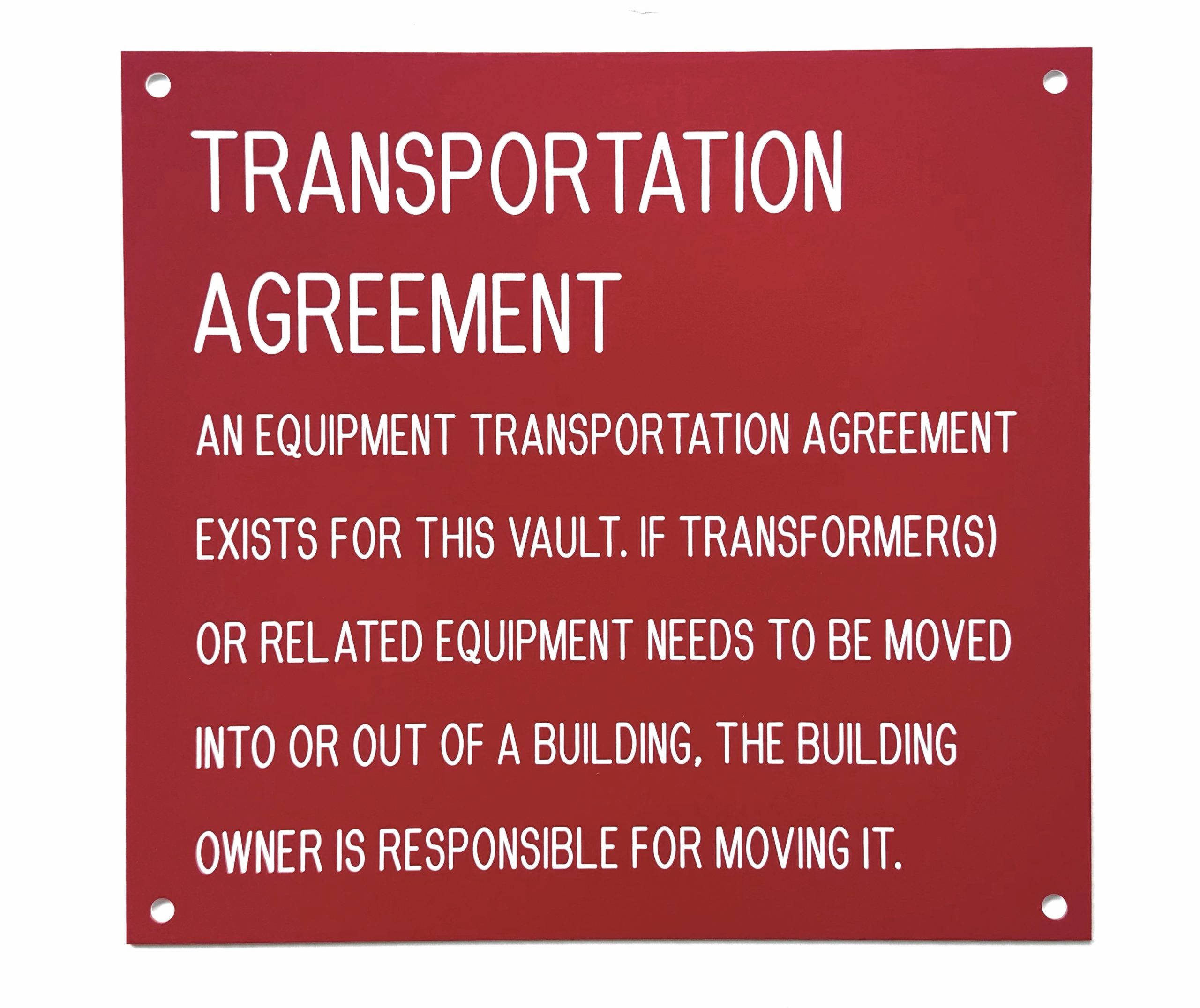
Adhesive vs. Screw-Mounted Labels: Choosing the Right Mounting for Your Project
Label mounting is often treated like a minor detail. Inspectors don’t see it that way.
A label that isn’t securely attached doesn’t count as permanent identification, no matter how accurate the text is. When mounting is overlooked or mismatched to the environment, it’s one of the fastest ways a project gets flagged during inspection.
Here’s a practical breakdown of when adhesive mounting works, when mechanical fastening is expected, and how inspectors typically evaluate both in the field. Mounting method plays a major role in whether labels remain legible and in place over time.
What inspectors actually care about
Inspectors aren’t comparing mounting preferences — they’re checking for permanence and reliability.
They want to see that:
- Labels are securely affixed
- Labels remain in place under normal conditions
- Identification won’t loosen, peel, or fall off under normal conditions
If a label looks temporary, inspectors may treat it as noncompliant.
Where jobs fail
Most mounting-related inspection issues come down to environment mismatch.
Common problems include:
- Adhesive labels applied to dirty, oily, or textured surfaces
- Adhesive used near heat or vibration
- No fasteners provided for metal equipment
- Labels handed off to be “installed later” and never properly mounted
In these cases, the label itself may be fine — it’s the mounting method that causes the failure.
Adhesive mounting: when it works
Adhesive mounting can be perfectly acceptable when conditions are right.
It generally works well for:
- Clean, smooth indoor surfaces
- Low-heat, low-vibration environments
- Equipment that won’t be serviced frequently
The key is surface preparation and environment. Adhesive mounting isn’t inherently wrong — it’s just not universal for every environment.
Screw-mounted labels: when they’re expected
Mechanical fastening is often expected when permanence matters.
Inspectors typically look for screw-mounted labels on:
- Outdoor equipment
- Metal enclosures
- High-vibration or high-heat environments
- Equipment requiring long-term, permanent identification
In these situations, fasteners provide visible assurance that the label is intended to stay put.
Trade-specific considerations
Mounting expectations can vary slightly by trade, but the principle is the same: match the mounting method to the environment.
Electrical
- Panels, disconnects, and feeders often require secure, permanent attachment
- Loose labels near live equipment raise concerns quickly
Mechanical
- Valve tags and equipment IDs must remain in place during service
- Mounting should withstand routine handling and movement
Solar / PV
- Outdoor placards and disconnect labels are commonly expected to be mechanically fastened
- Adhesive alone is often questioned in exposed locations
Fire
- Panels and suppression system labels are treated as critical identification
- Mounting should reflect the importance of the system
Jobsite takeaway
If a label can come off without tools, inspectors may treat it as temporary.
Choosing the right mounting method early helps avoid inspection delays, rework, and last-minute fixes.
Final Jobsite Takeaway
Mounting isn’t an afterthought — it’s part of compliance.
When labels are mounted appropriately for their environment, inspections move faster and identification remains reliable long after project turnover.